This video illustrates Linville Gorge and the surrounding area, discussing rock formation and the steepness of the escarpment, while also notifying viewers of common places for hiking, overlooks, campgrounds, and more.
While it is highly recommended you watch the entirety of the video for a complete tour, you can find important snippets at the timestamps provided below.
Rock Formation
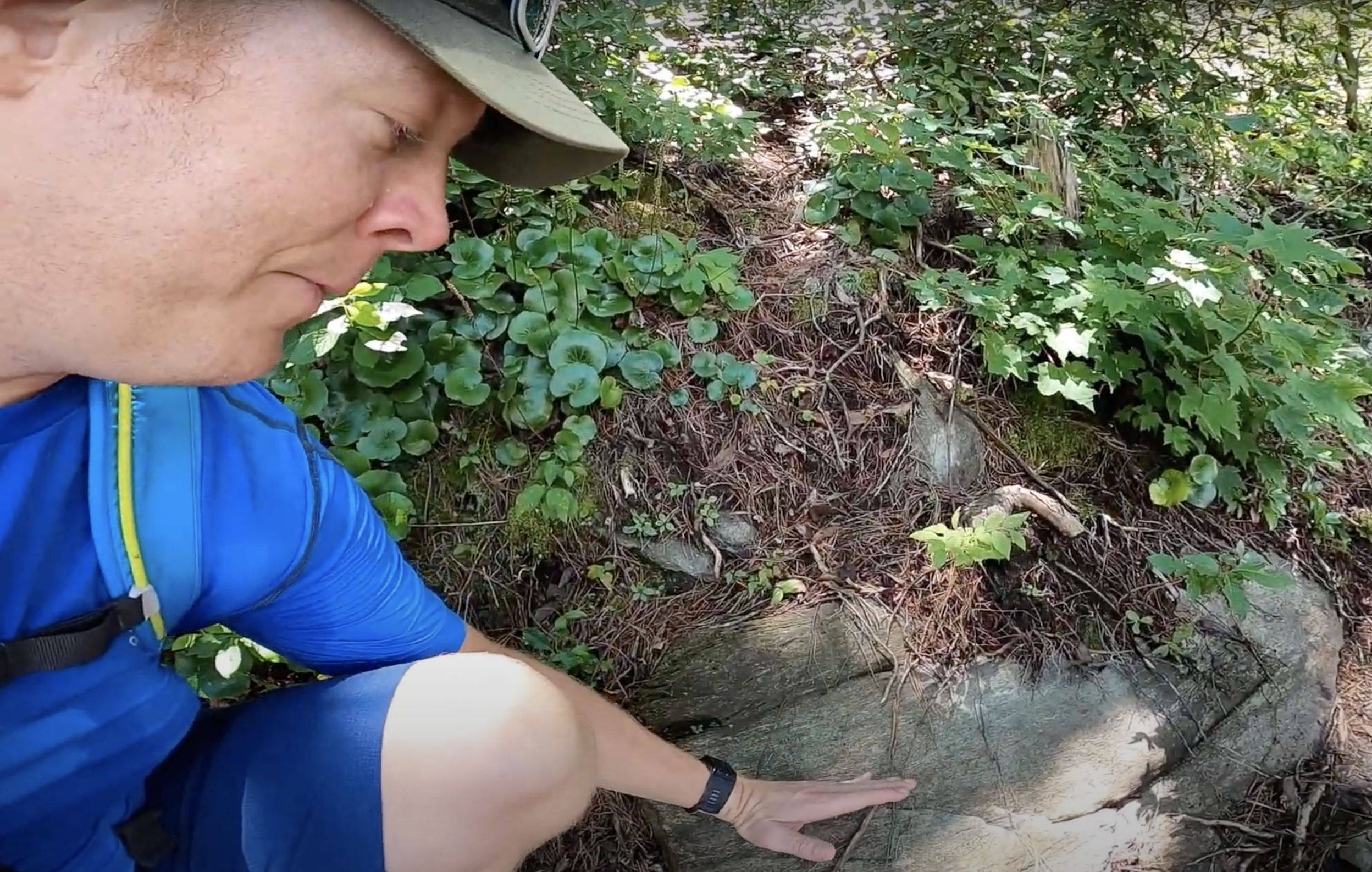
At 5:20 in the video, Prof. Johnson begins explaining the formation of metamorphic rocks throughout time.
“The Appalachians used to be basically the size of the Himalayas. This stuff that’s at the surface now wasn’t at the top of the Himalayas, all that stuff’s has eroded away. It’s stuff that was kilometers and kilometers down, so all that temperature and pressure from being underground layered this stuff, foliated it…”
Brad Johnson, 2020
Blue Ridge Escarpment and Relief
At 11:20 in the video, Prof. Johnson discusses stream capture and the effect it has on the formation of the canyon.
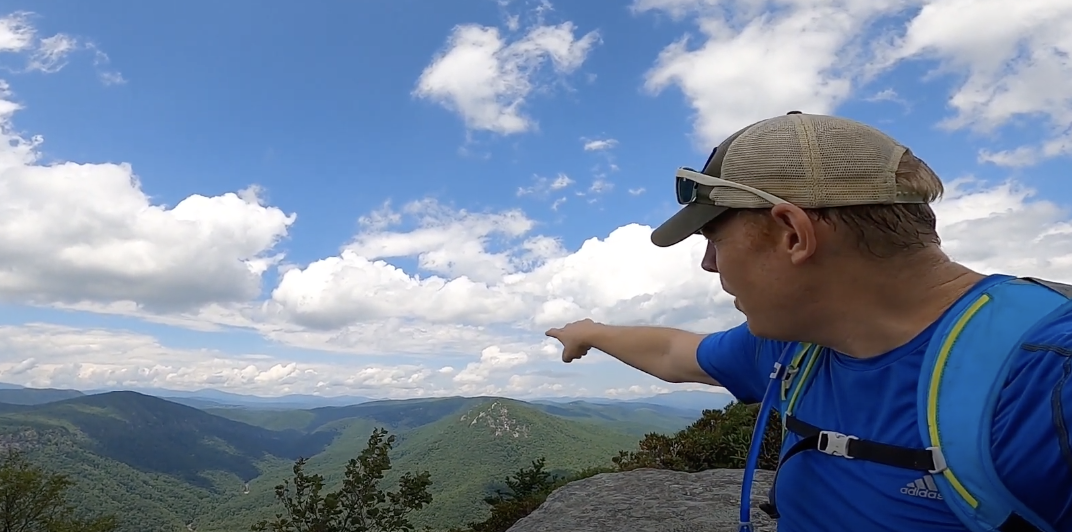
The idea is basically that way up there in the headwaters, the water used to drain from the right towards the left and stay on top of the escarpment and not cross over the escarpment and come off the edge. But the Linville River has a fair amount of energy… so it’s got this energy and so it’s eroding back and back and it’s eroding headwardly and it bumps into the headwaters of the North Toe River and it steals all that water that used to flow that way into the Tennessee River.
Brad Johnson, 2020
Linville Falls
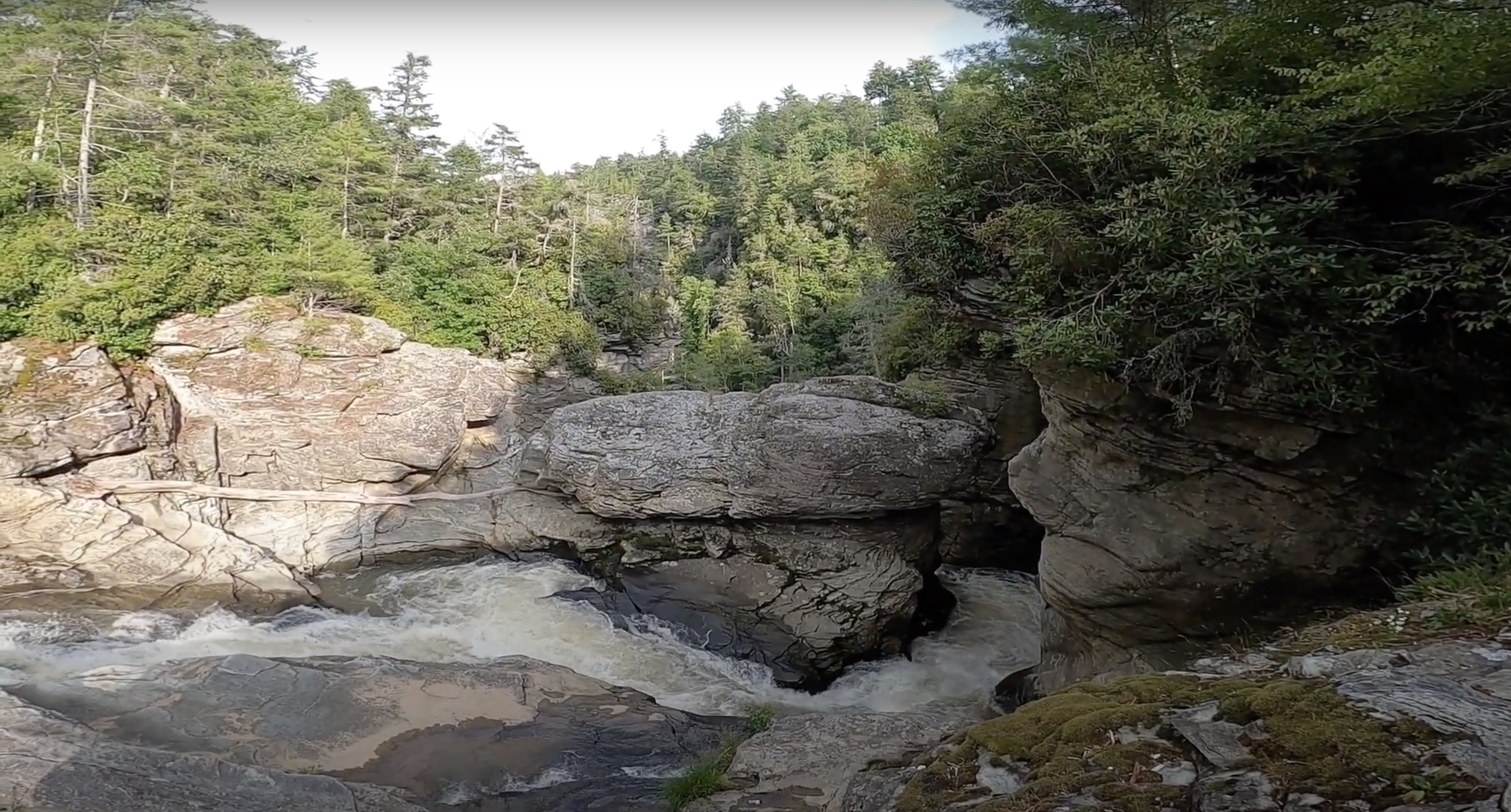
At 20:30 in the video, Prof. Johnson discusses the formation of Linville Falls and its geological future.
“Linville Falls is basically here today because there’s a fault behind me and there’s a change in bedrock, but that won’t stay that way forever. Through time, this knickpoint will continue to erode further and further upstream, and as it does the upper Linville valley will deepen.
Brad Johnson, 2020
